
In the vast landscape of gambling inherent to every casino, the concept of luck has been both revered and analyzed for centuries. The Hand of Luck https://casino-handofluck.com/,” a metaphorical expression that encapsulates the unpredictable nature of chance, serves as both a source of fascination and a fundamental element of various games of chance. From the spinning reels of slot machines to the felt tables where cards are dealt, the Hand of Luck consistently plays a crucial role in determining outcomes. This article explores the intricacies of luck in gambling, highlighting its impact on player experiences and strategies, and examining the interplay between chance and skill across different games.
The Essence of Luck in Gambling
Luck, by definition, refers to the force that seems to operate for good or ill in the determination of events. In gambling, this force is often the difference between a triumphant win and a disheartening loss. While some players believe wholeheartedly in the power of luck, others approach gambling with a more strategic mindset, relying on mathematics and probability to guide their decisions.
Ultimately, the Hand of Luck is an elusive concept, one that varies greatly from person to person. Some individuals claim it rests on superstition or rituals, while others find solace in systematic approaches. The truth is, luck is an unpredictable variable that thrives in the ambiguity of risk-taking, making gambling both thrilling and perilous.
Understanding Games of Chance
To fully appreciate the Hand of Luck, it is essential to understand the games that embody this concept. Let’s delve into some popular games of chance and how they uniquely encapsulate the essence of luck.
Slot Machines
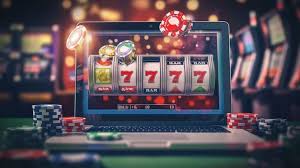
Slot machines are a quintessential representation of the Hand of Luck. The randomness of the reels spinning and the potential for a jackpot keeps players returning for more. Variations in themes, paylines, and bonuses add layers of complexity, yet at their core, they remain a game defined by luck. Progressive jackpots, for example, can sometimes offer life-changing prizes, but only for those fortunate enough to hit that winning combination.
Roulette
Roulette combines both chance and choice — players place their bets on specific numbers or colors, while the outcome rests on where the ball lands on the spinning wheel. The thrill of watching the wheel spin is coupled with the hope of hitting the right number, defining the experience in terms of luck. The advent of different betting strategies, such as the Martingale or Fibonacci methods, provides a nod to the potential for skill, but the ultimate outcome is still left to chance.
Blackjack
Unlike slot machines or roulette, blackjack incorporates an element of skill. Players make decisions based on their hands and the dealer’s visible card, which means that strategic thinking can influence the likelihood of winning. However, even the best players are at the mercy of the Hand of Luck, as the shuffle of the cards can drastically change the game’s outcome. This intricate dance between skill and luck keeps players engaged and hopeful.
The Interplay of Luck and Strategy
The relationship between luck and strategy in gambling is complex and multi-faceted. While some games are entirely luck-based, others permit players to exert some control over their fate. Understanding this dynamic is vital for anyone looking to engage in gambling as a pastime.
Players must navigate the delicate balance between their intuitive feelings and calculated strategies. The allure of luck often draws players in, but dedication to understanding the mechanics of the game can lead to more favorable outcomes. Gamblers who marry their understanding of probability with an appreciation for the Hand of Luck tend to have a more enriching experience.
The Psychology of Luck
The psychology of luck significantly influences how players perceive their chances of winning. Many gamblers develop personal beliefs about luck — some think wearing specific clothes or carrying certain items can enhance their luck. This phenomenon, known as the “placebo effect” of luck, can create a psychological edge, making players feel more confident as they enter the game.
Additionally, the concept of “hot” and “cold” machines or tables fuels gamblers’ beliefs about luck. Players may become addicted to the thrill of chase, continually pursuing that moment of luck that could turn their fortunes around. This attachment to luck can sometimes lead to irrational decision-making, underlining the importance of understanding both the psychological and statistical aspects of gambling.
Conclusion
Luck serves as a multifaceted concept that can evoke a range of emotions among gamblers, from exhilaration to despair. The Hand of Luck embodies the uncertainty and excitement of gambling, reminding players that every spin of a wheel or flip of a card holds the potential for a life-changing moment. As players navigate the exciting and sometimes treacherous waters of chance, they are advised to find a balance between embracing luck and exercising strategy. Ultimately, whether participating in a high-stakes game or a casual slot machine session, it is the blend of chance, choice, and luck that creates the captivating world of gambling.